Column · @josueszdz008
The Link In Between Menopause And Urinary System Incontinence: An Organized Testimonial
Exactly How Is Urinary System Incontinence Connected To Menopause?
In some cases, an urine analysis or biopsy is required to eliminate infections or various other causes. Adrenal hormones, such as cortisol and adrenaline, respond to anxiety and influence urinary function by impacting nerve signals to the bladder. Recognizing the link between hormone modifications and urological health allows for far better prevention and monitoring of related problems. Insight into hormone effects supplies a more clear course to keeping overall urinary system wellness throughout life. Get expert take care of urinary incontinence and pelvic floor conditions.At Noom, we're dedicated to providing health info that's grounded in trustworthy scientific research and expert testimonial. Our material is developed with the assistance of certified experts and based on reputable research study from trusted clinical and clinical companies. Learn more concerning the professionals behind our content on our Health and wellness Expert Team page. As you age, your bladder loses its ability to broaden, which indicates the bladder fills often, and it becomes harder to squeeze the muscle mass to empty the bladder entirely. Talk with your physician if you suspect your drug is causing you problems. The root cause of perimenopause is the waning of ovarian function and your ovaries generating much less estrogen and testosterone.
Hormonal Agent Therapy
Particular foods and drinks can add to urinary system incontinence by irritating the bladder, making you need to empty it more often. High levels of caffeine and alcohol need to be stayed clear of, and sugar, hot foods, or acidic foods are known to cause bladder inflammation as well. Everyone is various so what may be a problem for some might not affect others. Experiment with a bladder journal to discover if what you're consuming seems to be contributing to your incontinence. Your compromised pelvic floor makes it more challenging to regulate your bladder, particularly when stress is positioned upon it (as mentioned above).

Combined Urinary Incontinence
- UI symptoms, such as burning micturition and combined UI, are kept in mind, usually related to the genitourinary disorder of menopause (GSM) and nocturia.
- Urinary system urinary incontinence may prevail throughout and after menopause, yet that doesn't imply it needs to be neglected.
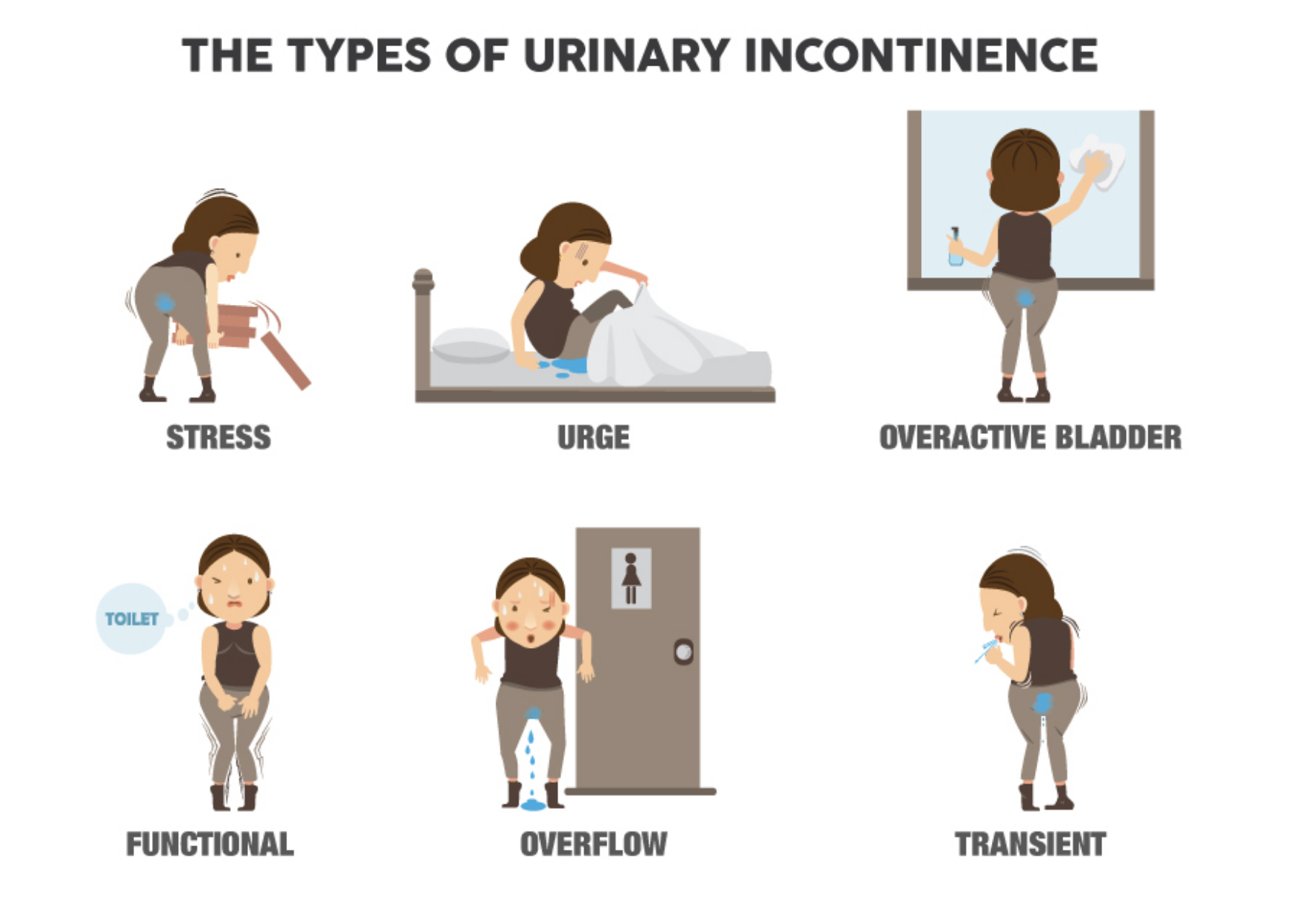
- Urinary incontinence can mean you leak a percentage of urine or release a great deal of urine at one time.
- Take this one-minute quiz to get your personalized Pelvic Floor Roadmap to aid with your many pressing pelvic floor problems.
- Every person is different so what may be a trouble for some may not affect others.
This hormonal agent assists kick back smooth muscle cells throughout the body, consisting of parts of the urinary system tract. During times of hormone change, such as maternity or the menstrual cycle, progesterone changes might alter bladder level of sensitivity and add to sensations of urgency or pressure. Hormone therapy, especially local genital estrogen, may help by reinforcing the urethral lining and enhancing blood flow. Some women experience decreased signs and symptoms of impulse and tension urinary incontinence with hormone-based therapies.
Estrogen plays a vital function in maintaining the health of your urinary system. Minimized estrogen degrees throughout menopause can bring about thinning of the vaginal wall surfaces and weakening of the pelvic floor muscles, both of which sustain your bladder and urethra. The pelvic flooring muscular tissues help sustain the bladder, womb, and bowel while also aiding control urine circulation. Hormone modifications can deteriorate these muscles and atrophy connective tissues that support them with time. When the pelvic floor comes to be weak, the bladder and urethra might not receive sufficient assistance, increasing the likelihood of tension urinary system incontinence. Pelvic floor physical treatment is a specific treatment that retrains the pelvic flooring muscular tissues (that assistance regulate your bladder) to function properly.
The Duty Of Estrogen In Urinary Health And Wellness
Be patient as you deal with your doctor or registered nurse on a treatment plan. It may take a https://riverbunu579.scriblorax.com/posts/menopause-and-urinary-incontinence month or longer for various therapies to begin working. Urinary system incontinence might come to be extra typical as you age, yet that does not indicate it's a typical part of aging or an acceptable symptom of menopause. Urinary incontinence is never ever regular, and while menopause can play a role, we can absolutely treat those humiliating Detrusor muscle signs.
While a few of these treatments might provide general support, none are verified to deal with incontinence by themselves. The majority of searchings for are early-stage, and supplements aren't controlled like medications. For security and efficiency, it's ideal to talk with your healthcare provider prior to trying any kind of brand-new supplement. Physical modifications like creating much less estrogen, the thinning of vaginal cells, pelvic organ prolapse, and problem emptying the bladder can all contribute to constant UTIs. Taking care of stress and anxiety is also important, as adrenal hormonal agents affected by tension affect urinary system feature. The most typical type of bladder control problem in older women is stress and anxiety incontinence. Compromised muscular tissues can not keep back pee when you cough, exercise, sneeze, laugh, or lift something heavy. The result can be a little leak of urine or a total loss of control.